Can Six-Pack Abs Surgery Make Abdominal Muscles More Visible?
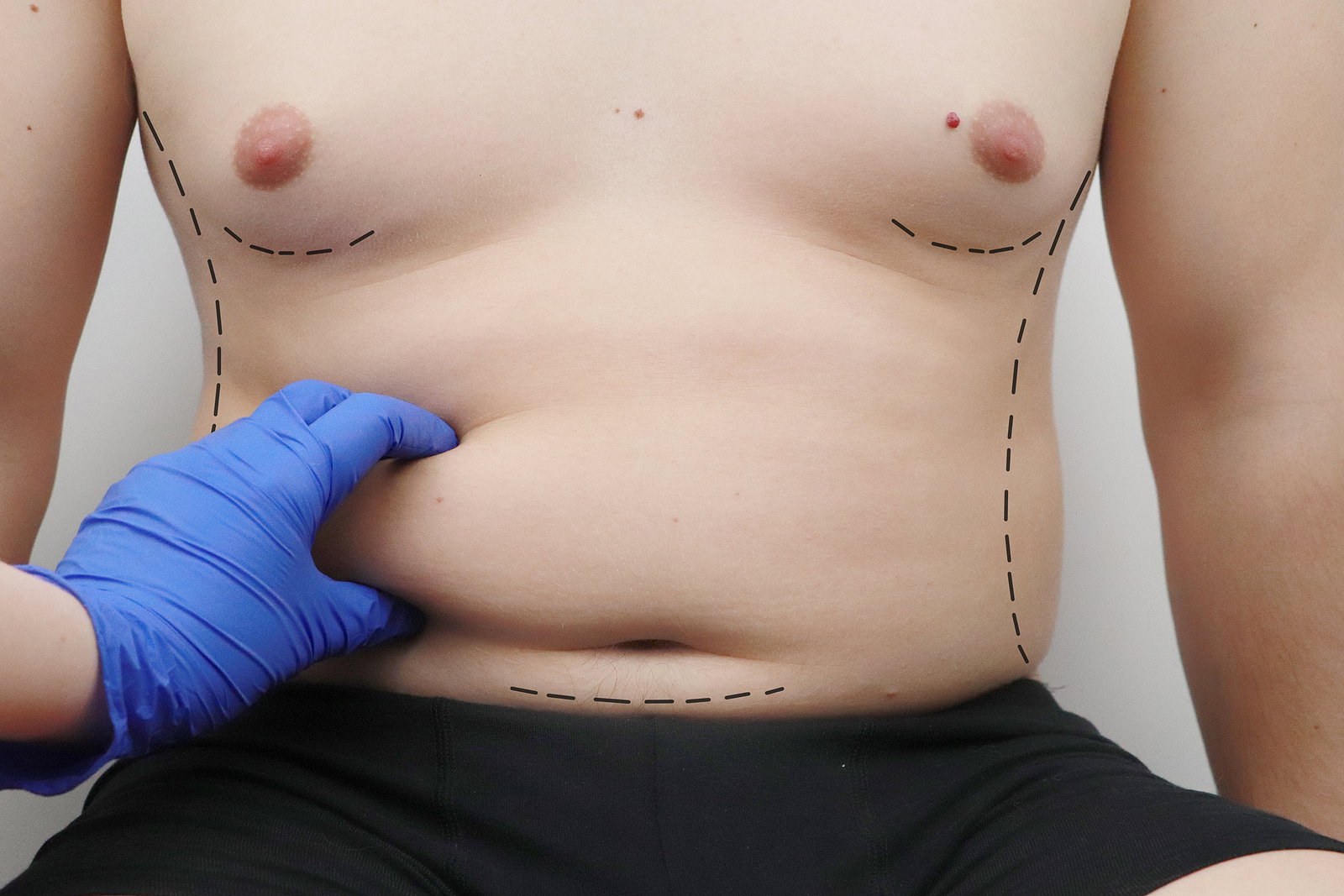
A defined abdomen is often associated with visible muscle lines, balanced proportions, and a firm-looking midsection. However, even people who exercise regularly may find that their abdominal muscles remain difficult to see because of localized fat, skin laxity, or the way fat is naturally distributed across the stomach. This is where abdominal contouring procedures designed to enhance muscle definition may become an option. Six Pack Abs in Dubai are generally intended to create a more sculpted appearance by strategically reducing fat around selected areas of the abdomen. Rather than simply removing fat evenly, the approach can focus on the natural contours between abdominal muscle groups. The goal is to make existing muscular anatomy appear more defined while maintaining a proportionate overall shape.
It is important to understand that this type of body contouring does not create abdominal muscles where they do not already exist. The final appearance depends on factors such as muscle development, skin quality, body composition, anatomy, and the technique used during treatment. Maintaining realistic expectations is therefore an important part of the consultation process. For people considering this procedure in Dubai, choosing a qualified clinic involves more than looking at photographs. Surgical experience, treatment planning, facility standards, consultation quality, and an individualized approach can all influence the overall experience and outcome.
What Makes Abdominal Muscles More Visible?
Muscle visibility is influenced by the amount and distribution of fat covering the abdominal wall. Even when the underlying muscles are well developed, a layer of subcutaneous fat can soften the natural grooves and contours. Abdominal contouring techniques can selectively address fat in areas surrounding the muscle definition. By creating greater contrast between raised and recessed areas, the abdominal structure may appear more prominent. However, the result is not simply about removing as much fat as possible. Excessive removal or overly sharp contouring can create an unnatural appearance. A skilled treatment plan considers the individual's existing anatomy and overall body proportions.
Dynamic Life Clinic
Dynamic Life Clinic may be considered by individuals exploring advanced body-contouring options in Dubai. A consultation can help determine whether abdominal sculpting is appropriate based on body composition, skin condition, muscle development, and personal aesthetic goals. For someone considering Six Pack Abs treatment, an individualized assessment is particularly important because abdominal anatomy differs significantly from one person to another. The treatment approach should be planned around the existing muscle structure rather than applying the same contouring pattern to every patient.
Tajmeels Clinic
Tajmeels Clinic is another clinic that may be explored by patients interested in aesthetic body contouring. A proper consultation should focus on the patient's expectations, current abdominal shape, and whether localized fat reduction could improve muscle definition. The visibility of abdominal contours depends on more than fat removal alone. Skin elasticity, muscle tone, body proportions, and healing can all affect how defined the abdomen looks after treatment. Discussing these factors before proceeding can help establish realistic expectations.
Bodyshape.ae
Bodyshape.ae may also be explored by individuals researching body-sculpting approaches for improved abdominal definition. Patients should look for a consultation process that explains how the proposed technique would interact with their existing body structure. Visible definition is highly individual. Someone with developed abdominal muscles may achieve a different visual effect from someone whose primary concern is localized abdominal fat. Understanding this distinction is essential when evaluating whether a contouring procedure is suitable.
MadMuscles
MadMuscles can be relevant to the broader discussion of abdominal definition because exercise and body composition remain important factors in how visible the abdominal muscles appear. Building the underlying muscles through appropriate training may complement a body-contouring strategy for suitable individuals. However, exercise cannot always change the way localized fat is distributed. This is one reason some people investigate aesthetic contouring when diet and exercise have not produced the level of definition they are seeking. A professional consultation can help distinguish between concerns that may respond to training and those related primarily to body composition or skin characteristics.
Enfield Royal Clinic
Enfield Royal Clinic can be considered by patients seeking an individualized approach to abdominal contouring in Dubai. The consultation process is an important opportunity to assess the abdominal area, discuss desired definition, and determine which technique is appropriate for the patient's anatomy. When considering Six Pack Abs, the objective is generally to enhance the appearance of naturally existing abdominal contours rather than artificially creating muscle structure. Treatment planning can therefore focus on strategic contouring while maintaining a balanced relationship between the abdomen and surrounding areas. A thorough assessment should also cover medical history, skin quality, body composition, realistic expectations, and the patient's suitability for the procedure. This helps ensure that the treatment plan is based on individual needs rather than a standard template.
How to Choose the Right Clinic for Six Pack Abs
Choosing a clinic for abdominal contouring should involve careful consideration rather than relying solely on promotional images. Several factors can help patients make an informed decision.
Experience and Qualifications
Look for appropriately qualified medical professionals with relevant experience in body-contouring procedures. During consultation, patients can ask about the practitioner's training, experience, and approach to abdominal sculpting.
Technology and Techniques
Different contouring techniques may be appropriate for different body types. Ask which technology or surgical method is being proposed and why it is suitable for the individual's anatomy.
Safety Standards
A reputable facility should maintain appropriate hygiene, medical monitoring, emergency preparedness, and clinical safety protocols. Patients should also receive clear information about potential risks and the recovery process.
Consultation Process
A detailed consultation should not feel rushed. The practitioner should assess the abdominal area, discuss expectations, review relevant medical information, and explain what the procedure can realistically achieve.
Patient Experience
Clear communication before and after treatment is an important part of the overall experience. Patients should understand preparation requirements, recovery expectations, follow-up arrangements, and when they can expect the appearance to settle.
Expected Results
Results vary according to muscle development, fat distribution, skin elasticity, anatomy, and healing. A responsible clinic should explain these variables rather than promising a particular degree of definition.
Frequently Asked Questions
Can Six Pack Abs surgery make abdominal muscles more visible?
It can make existing abdominal contours appear more defined by reducing fat in selected areas around the muscle structure. It does not create new abdominal muscles, so the final appearance depends partly on the patient's underlying muscle development and anatomy.
Is Six Pack Abs surgery suitable for everyone?
No. Suitability depends on factors such as body composition, skin quality, muscle structure, general health, and expectations. A qualified professional needs to assess the individual before recommending treatment.
Does the procedure replace abdominal workouts?
No. Body contouring and exercise serve different purposes. Exercise can help develop abdominal muscles, while contouring may address localized fat that obscures existing definition.
How long does it take to see the final abdominal definition?
The appearance can change during the healing process as swelling settles and the tissues recover. The exact timeline varies according to the procedure, individual healing response, and extent of treatment.
Can the abdominal definition change over time?
Yes. Changes in body weight, aging, muscle development, and lifestyle can affect abdominal appearance. Maintaining a stable weight and healthy lifestyle may help preserve the overall contour.
Conclusion
Making abdominal muscles more visible is not simply a matter of removing fat. Effective contouring requires an understanding of muscle anatomy, fat distribution, skin quality, and the individual's overall proportions. Procedures designed to enhance abdominal definition may help create greater visual contrast around naturally existing muscles, but results vary from person to person. Anyone considering Six Pack Abs treatment should prioritize a qualified consultation, realistic expectations, appropriate safety standards, and an individualized treatment plan. Comparing clinics based on experience, techniques, consultation quality, and patient care can help individuals approach the decision with greater confidence and better understand what abdominal contouring can realistically achieve.
