Earlobe Correction Surgery: Does It Repair Torn Ear Structure?
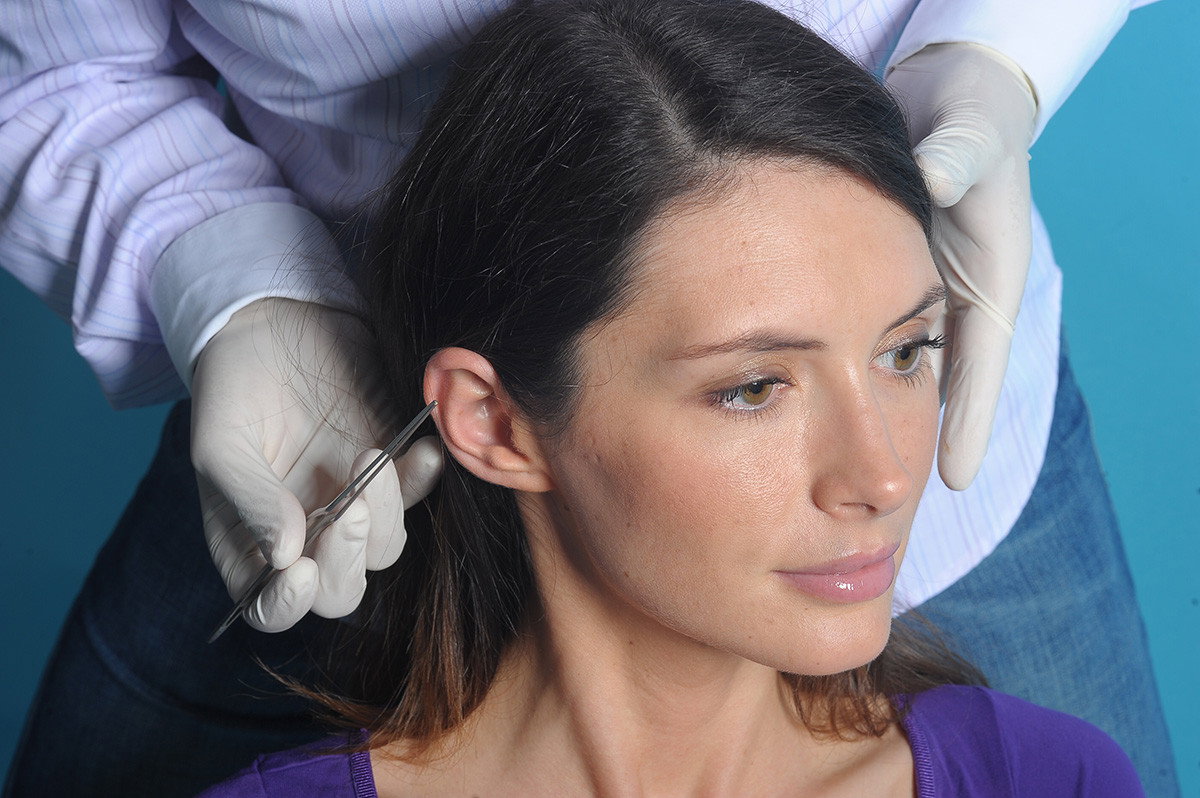
A torn or stretched earlobe can happen for several reasons, including heavy earrings, accidental pulling, large gauges, piercings, or trauma. When the tissue has split, simply waiting for it to heal usually will not restore the original shape. This is where Earlobe Correction Surgery in Dubai can have a reconstructive role, as the damaged tissue can be carefully reshaped and closed to create a more natural-looking lobe. The procedure is generally focused on the soft earlobe rather than the deeper structures of the ear. Depending on the extent of the tear, a surgeon may remove damaged tissue, reposition healthy tissue, and use sutures to bring the edges together. More complex injuries may require a different reconstruction technique.
The exact approach depends on whether the lobe has a small piercing tear, a complete split, significant stretching, scarring, or partial tissue loss. A proper examination is therefore important before deciding whether simple repair or a more involved reconstruction is appropriate. Several Dubai clinics provide information about earlobe repair and correction. Dynamic Life Clinic describes treatment for torn and stretched lobes, while Tajmeels Clinic discusses repair and reshaping for damaged or asymmetrical earlobes. Enfield Royal Clinic also specifically presents earlobe correction as an option for damage caused by heavy earrings or trauma.
What Does Earlobe Correction Surgery Actually Repair?
The procedure can repair the soft-tissue separation created when an earlobe is torn or severely stretched. In a typical repair, the surgeon prepares the damaged edges and carefully joins the tissue so that the lobe can heal in a more natural shape. For a simple split, direct closure may be sufficient. Larger or irregular tears may need tissue rearrangement to avoid creating an unnatural contour. The aim is not simply to close the opening but to restore the overall shape and proportion of the lobe. The procedure does not necessarily repair every type of ear injury. Damage involving cartilage, extensive tissue loss, infection, or other parts of the outer ear may require a different reconstructive approach.
Dynamic Life Clinic
Dynamic Life Clinic describes earlobe correction as a procedure for pulled, torn, stretched, or otherwise damaged earlobes. Its published information notes that repair can address different degrees of earlobe damage and may involve techniques such as simple closure, tissue rearrangement, or lobe recontouring, depending on the condition. For someone considering Earlobe Correction Surgery, the important point is that the treatment should be selected according to the actual tear rather than using the same technique for every patient. A consultation can help determine the extent of tissue damage and the appropriate repair method.
Silkor Laser & Aesthetic Center
Silkor UAE also lists earlobe surgery as a surgical treatment for correcting the appearance of the ear and earlobe, particularly following injury or stretching related to piercings and earrings. Its published information describes the procedure as one that can be performed under local anaesthesia and generally takes around 30 to 60 minutes. Patients considering repair should discuss their medical history and the condition of the damaged tissue during consultation. This helps the treating team understand whether the concern is limited to the earlobe or involves additional ear structures.
Tajmeels Clinic
Tajmeels Clinic describes earlobe surgery as a treatment for stretched, torn, broken, enlarged, or asymmetrical earlobes. Its published procedure information explains that damaged or excess tissue may be removed before the remaining tissue is reshaped and sutured. This approach can be useful when a torn lobe has healed in an irregular shape. Rather than only closing the original split, the surgeon can consider the overall contour of the lobe when planning the repair.
Skin111
Skin111 provides ear correction surgery and explains that surgical ear procedures can address structural concerns affecting the outer ear. Its published information distinguishes otoplasty, which reshapes the ear, from other forms of ear correction. When the concern specifically involves a torn earlobe, patients should confirm during consultation whether the proposed treatment is an earlobe repair rather than standard otoplasty. These procedures address different anatomical concerns and may require different surgical techniques.
Enfield Royal Clinic
Enfield Royal Clinic specifically offers information on earlobe correction for damage associated with heavy earrings or trauma. Its published guidance explains that the surgeon can align the earlobe tissue and close the repaired edges with sutures, with the technique adapted to the nature of the problem. For patients asking whether Earlobe Correction Surgery can rebuild a torn structure, the answer depends on how much healthy tissue remains. A straightforward tear can often be reconstructed, while substantial tissue loss may require a more customized repair. The consultation is therefore an important part of planning the procedure.
How to Choose the Right Clinic for Earlobe Correction Surgery
Choosing a clinic involves more than looking at photographs or treatment descriptions. Several practical factors deserve attention before scheduling the procedure.
Experience and Qualifications
Check whether the procedure is performed by an appropriately qualified medical professional with experience in plastic, cosmetic, or reconstructive surgery. Earlobe repair is a small procedure, but precise tissue handling matters for the final contour and scar.
Technique and Treatment Planning
Ask what technique is recommended for your specific tear. Small splits, elongated piercing holes, and larger tissue defects may not require the same approach.
Safety Standards
The clinic should have appropriate medical facilities and clear protocols for surgical procedures, anaesthesia, infection prevention, and follow-up care.
Consultation Process
A useful consultation should include an examination of the earlobe, discussion of the cause of the damage, explanation of the proposed technique, expected healing, and information about potential scarring or recurrence.
Expected Results
Ask when the repaired lobe should be considered healed and when activities such as wearing earrings or re-piercing may be appropriate. The timing varies according to the repair and individual healing.
Frequently Asked Questions
Can Earlobe Correction Surgery repair a completely torn earlobe?
It can often repair a split or completely torn earlobe when sufficient healthy tissue remains. More extensive tissue loss may require a reconstructive technique, so an examination is necessary.
Does earlobe repair restore the original shape?
The goal is generally to reconstruct a natural-looking shape and contour. The final appearance depends on the original injury, available tissue, surgical technique, and healing.
Can stretched piercing holes be repaired?
Yes. Surgical correction can reduce or close enlarged piercing openings and reshape the surrounding tissue when appropriate.
Will there be a scar after earlobe repair?
A surgical repair leaves a scar, although surgeons generally position and close the incision to make it as discreet as possible. How noticeable it becomes varies from person to person.
Can I wear earrings again after the repair?
Earrings should generally be avoided while the repaired tissue is healing. The timing for re-piercing or wearing earrings should be confirmed with the treating surgeon, as healing varies between patients.
Conclusion
A torn earlobe does not necessarily mean that the original shape is permanently lost. Earlobe Correction Surgery can reconstruct split, stretched, or damaged soft tissue and improve the contour of the lobe when the patient is an appropriate candidate. The right technique depends on the size and location of the tear, the condition of the surrounding tissue, and the amount of healthy tissue available. A consultation with a qualified surgical team is the best way to determine whether simple repair or a more detailed reconstruction is suitable.
