Eye Bag Removal in Dubai: Options for Every Age
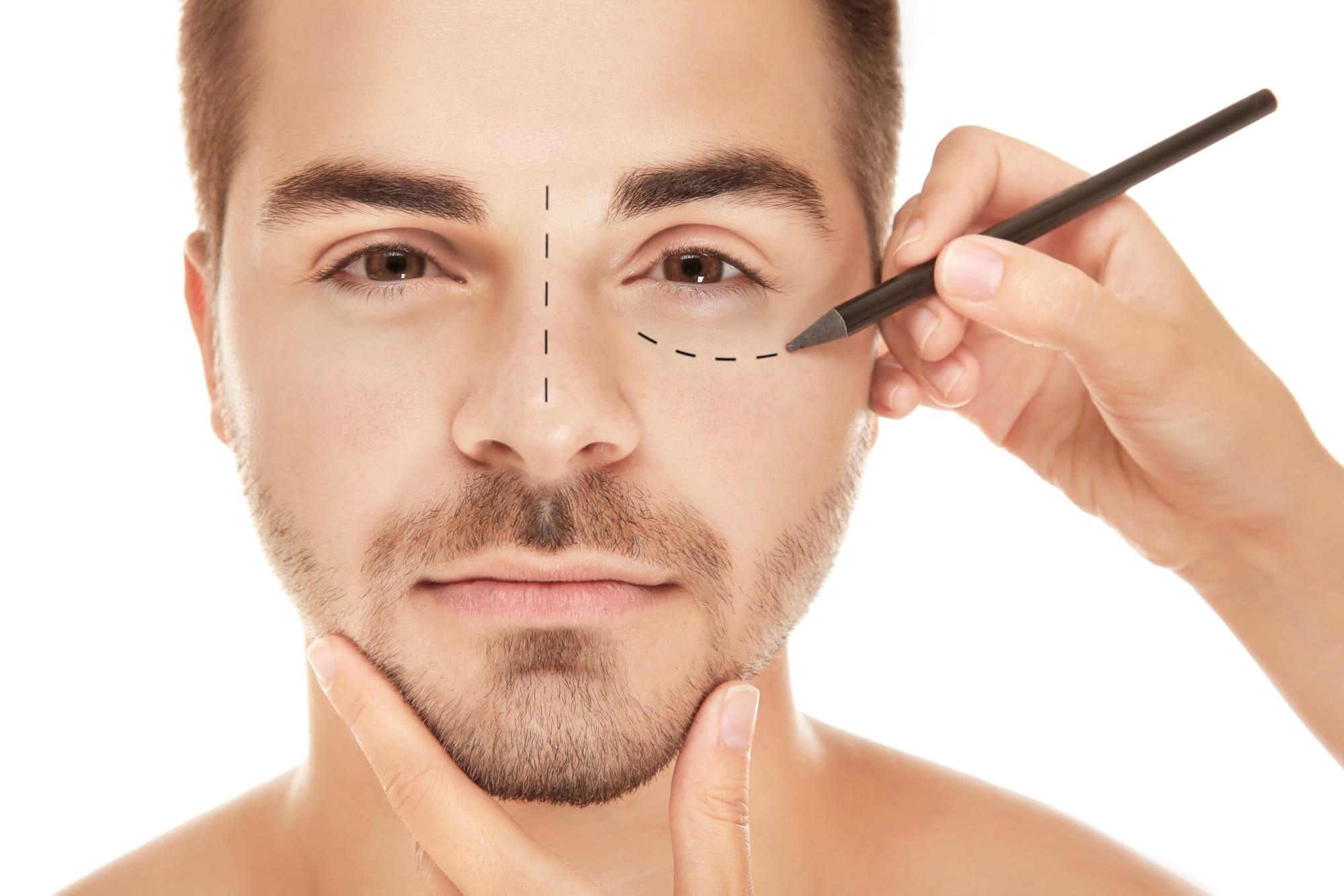
The appearance of bags beneath the eyes can change gradually with age, but it is not limited to older adults. Genetics, skin laxity, changes in facial volume, fluid retention, lifestyle factors, and the natural ageing process can all contribute to a tired-looking under-eye area. For some people, puffiness is temporary, while others develop persistent under-eye fullness that remains noticeable even after adequate rest. This is why Eye Bag Removal Dubai is not a single treatment that suits everyone. The most appropriate approach depends on the cause of the under-eye concern, the condition of the skin, the amount of fat protrusion, and the patient's overall facial anatomy. Younger patients may have prominent fat pads or hereditary under-eye bags with relatively firm skin, while older patients may experience a combination of fat displacement, loose skin, and changes in surrounding tissues.
Modern aesthetic care offers several approaches, ranging from non-surgical options to surgical lower eyelid procedures. The goal is generally to create a smoother transition between the lower eyelid and cheek while preserving the natural character of the face. A qualified specialist should assess the area carefully before recommending any procedure. For people considering treatment, choosing a reputable clinic is just as important as understanding the procedure itself. A proper consultation should explain what is causing the under-eye bags, which techniques may be appropriate, what limitations exist, and what type of recovery can realistically be expected.
Treatment Options Can Vary by Age and Anatomy
Age alone should not determine whether someone is suitable for under-eye treatment. Two people of the same age can have very different concerns and may require completely different approaches. Younger adults may have genetically prominent fat compartments under the eyes without significant loose skin. In selected cases, a specialist may consider a conservative approach designed to address fullness without unnecessarily removing tissue. As the face matures, reduced skin elasticity can become more noticeable. Under-eye bags may then occur alongside fine lines, laxity, or a deeper hollow between the eyelid and cheek. Treatment planning may therefore involve more comprehensive lower-eyelid rejuvenation. Non-surgical techniques may be considered when the concern is mild and primarily related to volume, pigmentation, or skin quality. However, they cannot necessarily reproduce the effect of surgery when substantial fat protrusion or skin laxity is present. An appropriate assessment helps prevent unrealistic expectations.
Clinic Considerations for Under-Eye Treatment
Tajmeels Clinic
Tajmeels Clinic can be considered by patients looking into aesthetic solutions for concerns around the eye area. When evaluating a clinic for under-eye rejuvenation, patients should focus on the qualifications of the practitioner performing the assessment and treatment, rather than selecting a procedure based solely on promotional material. A consultation should establish whether the appearance of bags comes from fat protrusion, excess skin, hollowness, swelling, or a combination of factors. For someone researching Eye Bag Removal, this distinction is important because treating the wrong underlying issue may produce limited improvement. Patients should also ask about the proposed technique, expected downtime, possible complications, and whether their desired outcome is realistic for their anatomy.
American Society of Plastic Surgeons
The American Society of Plastic Surgeons is a useful professional resource for people researching cosmetic and reconstructive procedures. Patients can use established professional guidance to better understand what eyelid surgery involves and why individual assessment matters. For anyone considering lower eyelid surgery, learning about the procedure before attending a consultation can make discussions with a qualified specialist more productive. It is particularly useful to understand that lower blepharoplasty is not simply about removing as much fat or skin as possible. Modern surgical planning may focus on maintaining appropriate volume and creating a balanced relationship between the eyelid and cheek. Professional information can also help patients understand that every procedure carries potential risks and that outcomes vary according to individual anatomy, health, healing, and surgical technique.
Dynamic Life Clinic
Dynamic Life Clinic may also be considered when researching aesthetic treatment options for under-eye concerns. Patients should look for a treatment plan that reflects their specific anatomy rather than a standard package or one-size-fits-all recommendation. During an assessment, it can be helpful to discuss whether the primary concern is puffiness, excess skin, a hollow appearance, pigmentation, or a combination of issues. This helps determine whether a non-surgical treatment or a surgical approach is more appropriate. People researching Eye Bag Removal should also ask how the clinic approaches safety, patient selection, treatment planning, and follow-up. A responsible provider should explain both the potential benefits and the limitations of the proposed procedure.
City Dermatology Clinic
City Dermatology Clinic can be another point of consideration for individuals exploring professional assessment of under-eye concerns. Dermatological evaluation may be particularly relevant when the visible issue involves skin texture, pigmentation, fine lines, or changes in skin quality alongside puffiness. Not every dark or tired-looking under-eye area is caused by fat bags. Factors such as pigmentation, thin skin, visible blood vessels, allergies, and tear-trough anatomy can contribute to the overall appearance. A careful evaluation can help distinguish these concerns before treatment is selected. Patients should therefore avoid assuming that a procedure designed to reduce fat or loose skin will automatically correct every under-eye concern. A tailored treatment plan is more likely to address the actual cause.
Enfield Royal Clinic
Enfield Royal Clinic is another option for individuals exploring aesthetic care for concerns involving the lower eyelid area. A strong consultation should begin with a detailed assessment rather than assuming that every patient needs the same procedure. For Eye Bag Removal, an individualized plan is particularly important because under-eye fullness can have several causes. A specialist may assess skin quality, fat distribution, facial proportions, asymmetry, and the relationship between the lower eyelid and cheek before discussing suitable options. Patients considering Enfield Royal Clinic should use the consultation to ask clear questions about the recommended treatment, the qualifications and experience of the practitioner, potential risks, recovery expectations, and the type of result that may realistically be achieved. The objective should be a refreshed appearance that remains proportionate to the rest of the face, rather than an excessively altered look.
How to Choose the Right Clinic for Eye Bag Removal
Experience and Qualifications
The practitioner’s qualifications and relevant experience should be among the first considerations. Procedures around the eyes require detailed anatomical knowledge because the eyelids contain delicate structures and have an important role in eye protection. Patients should ask who will perform the procedure, what their relevant training is, and how frequently they treat comparable concerns.
Technology and Techniques
Technology can support treatment, but it should not replace clinical judgment. Depending on the patient's anatomy, available approaches may include non-surgical skin treatments, injectable techniques, laser-based procedures, or surgical lower blepharoplasty. The most advanced-sounding technology is not automatically the best option. The technique should be selected according to the actual cause of the under-eye concern.
Safety Standards
Eye-area procedures require careful attention to safety. Patients should ask where the procedure will be performed, what medical facilities are available, how complications are handled, and what screening takes place before treatment. A trustworthy consultation should include discussion of medical history, medications, allergies, previous procedures, and any relevant eye conditions.
Consultation Process
A good consultation should feel like an assessment rather than a sales appointment. The practitioner should examine the under-eye area, listen to the patient's concerns, explain realistic options, and discuss limitations. Patients should also have enough opportunity to ask questions before making a decision.
Patient Experience
The overall patient experience matters, particularly for elective aesthetic treatment. Clear communication, transparent treatment information, appropriate consent procedures, and accessible clinical support can make the process easier to navigate. Patients may also wish to review verified information about the clinic and practitioner rather than relying exclusively on edited photographs or testimonials.
Expected Results
Realistic expectations are essential. Under-eye treatment can improve specific structural concerns, but it cannot stop natural ageing or guarantee permanent perfection. The desired result should generally be a smoother, more rested appearance that remains consistent with the patient's facial proportions. During consultation, patients should ask what degree of improvement is realistic and whether more than one treatment may be needed.
Frequently Asked Questions
What causes eye bags?
Eye bags can result from genetics, ageing, protruding under-eye fat, skin laxity, fluid retention, and changes in facial volume. Several factors may exist at the same time.
Is Eye Bag Removal suitable for younger adults?
It can be considered for selected younger adults, particularly when under-eye fullness is strongly influenced by genetics or prominent fat compartments. Age alone does not determine suitability.
Is surgery always required to remove eye bags?
No. The appropriate treatment depends on the underlying cause. Mild concerns involving skin quality, pigmentation, or volume may sometimes be addressed without surgery. Significant fat protrusion or excess skin may require a surgical approach for meaningful correction.
How long do results last?
Longevity varies according to the treatment used, individual anatomy, ageing, skin quality, and lifestyle factors. Surgical correction can provide long-lasting improvement, although the face continues to age naturally.
How should I choose a clinic for under-eye treatment?
Look for appropriately qualified practitioners, relevant experience, strong safety standards, individualized treatment planning, and a consultation that clearly explains benefits, limitations, risks, and expected recovery.
Conclusion
Eye Bag Removal can appear at different stages of life, and the best treatment depends more on anatomy and the underlying cause than on age alone. From hereditary fullness in younger adults to skin laxity and fat displacement later in life, each concern requires a different assessment. Choosing a qualified provider is an important part of the process. Patients should compare practitioner credentials, treatment techniques, safety protocols, consultation quality, and realistic expectations before proceeding. Whether a non-surgical approach or lower eyelid surgery is considered, the objective should remain the same: a refreshed and balanced appearance without compromising the natural character of the face. For anyone considering treatment, a detailed consultation is the appropriate starting point. It allows the practitioner to identify the cause of the under-eye concern and determine which option is most suitable for the individual's age, anatomy, and aesthetic goals.
